Oxidative stress
Oxidative stress

Oxidative stress is the imbalance between the number of Reactive Oxygen species (ROS) being produced and the body’s ability to detoxify them.
This imbalance leads to cardiovascular and neurological diseases such as depression, Alzheimer’s, MS, as well as inflammatory conditions, like asthma, chronic obstructive pulmonary diseases, rheumatoid arthritis, and skin problems.

It all starts with the mitochondria in our cells. They have to be protected and further activated. The body produces free radicals, ROS’s, to clean up bad/non-functioning cells, programmed cell death or Apoptosis.
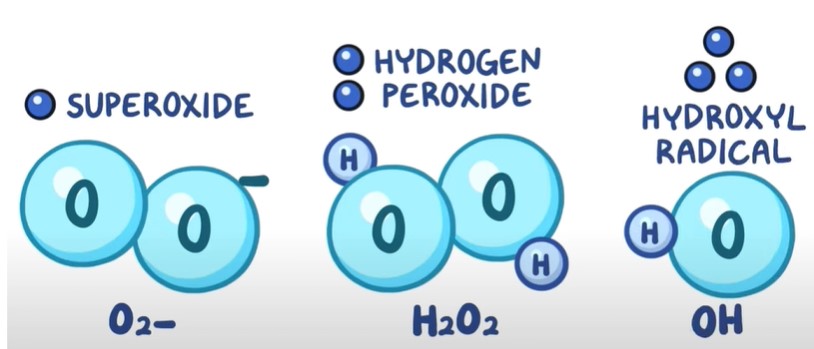
Exercise helps this process. ROS’s gain an extra electron and becomes unstable. Names are Peroxide, Superoxide, Hydroxal Radicals. The body can convert these to Hydrogenperoxide. See above.

Certain medications cause the formation of lots of free-radicals. (Tylenol), also fried foods, alcohol, tobacco-smoke, pesticides, air pollutants. Anti-oxidants, electron donators, are Vitamin A, C, E, Zn, Cu, Selenium, so as to avoid ROS’ to steal e’s from body tissue, thus causing damage.
Deta Elis RITM, AP, and ENERGY devices have vitalizing therapy programs to counter them, as well as detoxification programs from geopathic smog or for cleasing the liver, lymph stimulation, etc.
Drinking H2 enriched water is very good. Flavonoids in fruits/veggies help as well. Green tea, or information received from gemstones as well.

Free radical level check using test strips
Cherries are a member of the stone fruit family and can meaningfully contribute to dietary intakes of dietary fiber, vitamin C, and potassium. Stone fruit are fruits that consist of a thin outer layer, edible flesh, and a hard stone that encloses a seed. Cherries are grouped into two major types: sweet (Prunus avium L.) and tart (Prunus cerasus L.) cherries. The latter are processed to produce tart cherry juice and tart cherry juice concentrate.
The scientific interest in tart cherry juice is primarily due to its rich content of polyphenols, particularly anthocyanins, which possess antioxidant and anti-inflammatory properties.
Tart cherry juice may improve sleep by increasing melatonin levels, as tart cherries are a relatively rich source of melatonin, and they seem to increase the availability of tryptophan, which is used to synthesize melatonin in the body.
Tart cherry juice may enhance endurance exercise performance by elevating muscle antioxidant capacity, thus minimizing the production of oxidants during exercise, which can depress force production and contribute to fatigue. Additionally, as a source of low-glycemic-index carbohydrate, tart cherry juice might support performance by promoting fat oxidation and allowing sustained carbohydrate availability during exercise.