Vitamin K + CoQ10
CoQ10 and Vitamin K

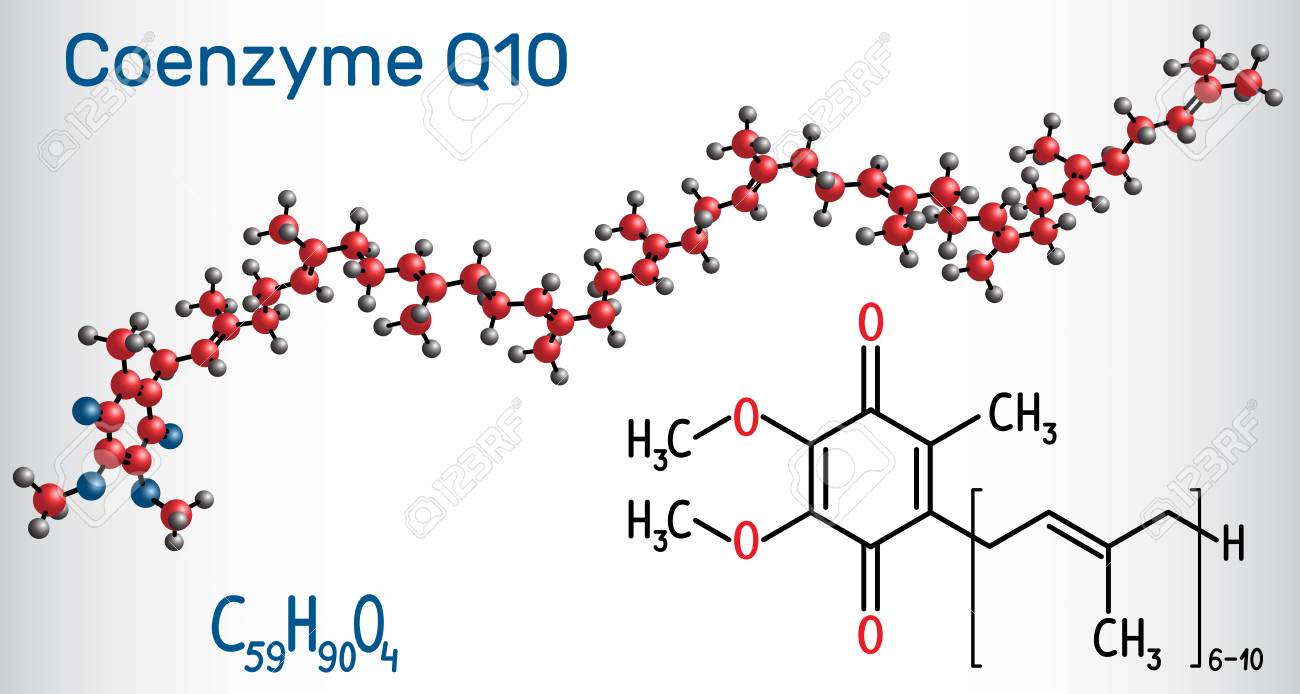
Coenzyme Q10 (CoQ10) is a vitamin-like nutrient, because it’s a critical compound used by every single cell within the body. A vitamin, like vitamin C, must be obtained from diet. CoQ10 is produced by the body.
Your cells use CoQ10 as a source of natural energy. It’s used in the production of adenosine triphosphate, or ATP, the basic form of cellular energy that is needed by cells to grow and stay healthy.
CoQ10 is concentrated in the organs that require the most energy to carry out their normal tasks. Heart, liver, pancreas all must maintain high levels of CoQ10 to function properly.
Body-produced CoQ10 gets stored in the mitochondria, the power plants delivering energy to every cell in your body. CoQ10’s primary role is protecting your body from oxidative damage, and disease-causing bacteria or viruses.
CoQ10 contributes to the health of our muscles, nerves, kidneys, brain and skin. Aging decreases our natural levels of CoQ10. Low levels create certain chronic illnesses.
As supplements, our body reduces this nutrient into ubiquinol, which is its active form. Especially liquid Ubiquinol supplements will thus be absorbed more readily.


Vitamin K
Vitamin K2 is needed to better absorb Mg and Ca in the body. It is an important nutrient that plays a vital role in blood clotting and bone and heart health. A daily value (DV) of 120 mcg is recommended.
Vitamin K1 is a phylloquinone that can be obtained through fruits, vegetables and vegetable oils. Vitamin K1 represents 90% of our total dietary intake in K vitamins.
Vitamin K2, a menaquinone, is mostly microbial in origin. Simpler microbial organisms like bacteria produce and use vitamin K2 for many different metabolic processes. K2 is found in animal products such as fermented cheese and yogurt.
MK-4 form of vitamin K2 can be obtained from meat, dairy and eggs. MK-7 is mainly found in fermented foods like cheese, and sauerkraut, etc.
Vitamin K1 is found in Kiwi (23% DV), Avocado (18% DV), Blackberries (12% DV), Blueberries (12% DV), Pomegranate (12% DV), and:

