Immune System
Immune System

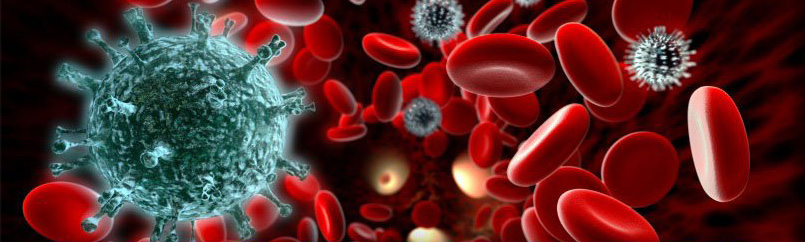
The immune system is a system of many biological structures and processes that protects an organism against dis-eases. To properly function, this system has to detect a very wide variety of pathogens, such as viruses, parasitic worms, etc., and distinguish them from its own healthy tissues.

The castor bean plant, also called palma christi or Ricinus communis, is a tropical shrub that has large palmate leaves and spiny capsules containing seeds that are the source of ricin and castor oil.

This oil attracts T-cells. T-cells are a type of white blood cell that plays a central role in cell-mediated immunity.

Healthy human T-cell
Cell mediated immunity is an immune response that does not involve antibodies, but stimulates cells to secrete a variety of cytokines (specialized chemical mediators) that influence the function of other cells involved in the immune responses, and also activates the anti-gen-specific cyto-toxic T-cells.
These type T-cells cause apoptosis, a highly regulated and programmed process of dying. Excessive apoptosis can causes atrophy. Insufficient apoptosis results in uncontrolled cell proliferation, as in cancer.

Cell-mediated immunity is most effective in removing virus-infected cells, but also helps defending against fungi, cancers, and intracellular bacteria. Apoptosis causes 50-70 billion cells to die each day in the average human adult.
T-cells have a receptor (TCR) on their surface. They are called T cells because most mature in the Thymus gland. T-cells either direct and regulate immune responses, or directly attack infected or cancerous cells.
Most human T cells are part of the adaptive immune system, few participate in the innate immune system.
The adaptive or acquired immune system, is composed of supremely specialized, systemic cells and processes that eliminate or prevent pathogen growth. It memorizes the initial response which will improve all subsequent encounters.
The cells of the innate immune system provide immediate defense against infections, without long-lasting or protective immunity. It is an older system of defense. It is the dominant immune system found in plants, fungi, insects, and simple multi-cellular organisms.
The immune response that involves anti-body production is called humoral immunity. It involves soluble substances found in the humours, the blood and body fluids. These protective substances are capable of killing parasitic micro-organisms. B-cell activation is a part of the humoral immune response:

The immune cells’ major functions are to:
- Produce cytokines and send them to the infected sites,
- Identify bacteria, activate cells, and promote clearance of antibody complexes or dead cells,
- Identify and remove foreign substances present in organs, tissues, blood and lymph,
- Act as a physical and chemical barrier to infectious agents.
A cytokine storm is an overproduction of immune cells and their activating compounds (cytokines), which, in a virus/flu infection, is often associated with a surge of activated immune cells into the lungs. The resulting lung inflammation and fluid buildup can lead to respiratory distress and can be contaminated by a secondary bacterial pneumonia, often enhancing the mortality in patients.
Examples are Sars (Severe Acute Respiratory Syndrome), Mers, Covid-19. All these corona-viruses are a large family of viruses that can cause illnesses ranging widely in severity.
Both immune systems comprise of humoral and cell-mediated components.

Light (311–313 nm) therapy can be effective in the treatment of cutaneous T-cell lymphoma.
Cutaneous T-cell lymphoma (CTCL) is a type of cancer of the immune system. CTCL is not B-cell related but is caused by a mutation of T-cells. The malignant T-cells in the body initially migrate to the skin, causing various lesions to appear.
These lesions change shape as the disease progresses, typically beginning as what appears to be a rash which can be very itchy and eventually forming plaques and tumors before metastasizing to other parts of the body.
The Complement system
This system is a part of the immune system that enhances (complements) the ability of antibodies and phagocytic cells to clear microbes and damaged cells from an organism, promote inflammation, and attack the pathogen’s membrane: