Eco Enzyme
WHAT IS ECO/GARBAGE ENZYME?
Ecology (from Greek: οἶκος, "house" or "environment"; -λογία, "study of") is the branch of biology which studies the interactions among biotic organisms and abiotic components in their environment.

In biology and ecology, abiotic components/factors are non-living chemical and physical parts of the environment that affect the functioning of entire ecosystems and living organisms. Abiotic factors and the phenomena associated with them underpin all biology.

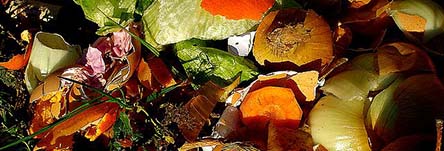
Eco-enzyme is a complex solution produced by fermentation of fresh kitchen waste (fruit and vegetable dregs), brown or molasses sugar and water. It is brown and has a strong sweet sour fermented scent. Eco enzyme is a multipurpose liquid, used in household, agriculture, animal husbandry, etc.
Garbage enzyme is a complex organic substance of a protein chain, mineral salt, and juvenile hormones. Each time you use cleaning products made with chemicals, you are polluting the ground water, rivers and the surrounding eco-system.
These harmful chemicals contain phosphates, nitrates, ammonia, chlorine, etc. The accumulative effect of these chemicals, released from every household, factory, and farm causes significant damage to the surface of our planet.
The Enzyme’s Function is:
• Resolve / decompose
• Transform / Change
• Compose / make up
• Catalysis for growth
Green House Effect
Green House Effect is caused by green house gases. Greenhouse gases are like a blanket. At the right thickness, the Earth won’t be too hot or too cold. Research shows that burning fossil fuel and adding chemicals to the atmosphere causes the blanket to become thicker and the planet to become warmer. This effect is known as Global warming.
Global Warming and its Effects
Global warming is referring to the increase of the earth’s temperature in recent decades and potential future.
Greenhouse effects and natural phenomena such as solar radiation and volcanoe’s output showed us a small warming effect ever since pre-industrial times. Now, IPCC climate models project an earth surface temperature increase between 1 and 6 °C between 1990 and 2100.
This increase is expected to cause rises in ocean levels, intensity of extreme weather events, and changes in the amount and pattern of rain. Other effects include changes in agricultural yields, glacier retreat, species extinctions and increases in the range of disease vectors.
The increased frequency of summer heat waves in temperate zones, typhoons, hurricanes and floods are signs of the changing weather and climate patterns across the globe.

Among the potential effects of global warming would be the appearance of mosquitoes in areas where they were previously absent, with the accompanying threat of malaria and dengue fever.
There is also the risk of reduced rainfall in certain regions, causing a shortage of fresh water, and the subsequent danger of waterborne diseases.
A recent study showed that more than 2/3 of the world’s large cities are in areas vulnerable to global warming and rising sea levels. Some 600 million people could be affected.
The Eco Enzyme has an Anti Greenhouse effect
The eco-enzyme converts ammonia, NH3, to nitrate NO3, a natural hormone and nutrient for plants. It converts CO2 to the carbonate CO3, which is beneficial to all marine life. The O3 generated from this process will reduce the heavy metals in clouds and thus release heat from the earth.
There are endless benefits of this Earth-Saving Enzyme. NO3 in the plant’s roots can feed animals, which will give their waste back to the plant as hormones and nutrition.
Agriculture applications
Replacing chemicals, this eco-enzyme can fertilize the soil for healthy fruit & vegetable growing. It is a natural hormone for plants and trees. It can function as a natural:
- fertilizer,
- herbicide,
- fungicide, and
- pesticide.
This enzyme can also cultivate sandy land to fertile farm land. It also keeps the air on the farm clean and cool, and cleans impure water.
House Hold applications of this enzyme
- It is an excellent skin & household cleanser, and chemicals replacer.
- It removes the foul odor, mold, grime in kitchen and bathroom.
- It helps drive away insects, bacteria, fungi, and viruses.
- It removes odor from pets and cigarettes.
- Good for ironing and washing all objects.
- It removes ticks from carpets.
Discover the miracle eco-enzyme:
Reduce Pollution
Methane gas released from disposed garbage can trap 21 times more heat than CO2, and worsen the global warming condition.
Save Money
Turn kitchen waste to DIY multipurpose house-hold cleaners.
Multiple Usage
Natural household cleaner; skin care; air purifier; detergent; car care; fabric softener; organic fertilizer, etc.
Anti-Bacterial, Anti-Fungus and Anti-Virus
Natural antiseptic for your home and body.
Purify Underground Water
Enzyme residue’s underground flow and will eventually purify the river and sea.
Purify Air
Removes odor, toxic air released from smoking, car exhaust, chemical residues of household products, etc.
Natural pesticides
Reduce mosquitoes, flies, rats or cockroaches, etc.
Prevent drainpipe blockage
Release residues accumulated in the pipe of basins or toilet bowls.
Ratio of Making Eco Enzyme
Brown or molasses sugar or jaggery 1 Kg/Ltr.
Fruits and vegetable dregs 3 Kg/Ltr.
Water 10 Kg/Ltr.
INSTRUCTIONS:
- Prepare an air-tight plastic container. Do not use glass or metal containers because they do not allow expansion caused by gas released during the enzyme fermentation process.
- Dilute sugar in water. Then add kitchen waste. Use only fruit and vegetable dregs. Avoid paper, plastic, metal or glass, and avoid also oily cooked food, fish or meat residues (make those your garden compost materials).
- To make fresh smelling enzyme, add orange/lemon peel or pandan leave, etc.
- Leave some air space for fermentation.
- Make sure the container is air-tight.
- During the first month, gases will be released during the fermentation process. Release the pressure built up in the container, to avoid rupturing.
- Push the floating dregs downward every once in a while.
- Place at cool, dry and well ventilated area. Avoid direct sunlight. Let it ferment for at least 3 months before use.
- After this period, filter/extract out the water and leave only the sediment. The sediment can be dried to become fertilizer or you may leave it for next the fermentation.
- The ideal color of eco-enzyme is dark brown. If the color turned black, add the same amount of brown sugar to re-ferment it.
- It may have a white, black or brown layer on top of the eco enzyme. Ignore it. If you encounter flies or worms in the container, leave them for a while, but close the cover tightly. The chemical reaction of the enzyme will dissolve them naturally.
- Do not store it in the refrigerator.
- Re-use the remainder of waste for the next production by adding fresh waste.
- Use it as fertilizer by drying the residue, blend it, and bury it in the ground.
- Grind residue, pour it into a toilet bowl, add brown sugar. Then flush it to help purify the sewage.