Articles

  • Helplessness

    Helplessness Helplessness is closely related to the freezing response. If hyper arousal is the nervous system’s accelerator, a sense of overwhelming helplessness is its brake. Unlike an automobile in which the brake and accelerator are designed to operate at different times, with a traumatic reaction both brake and accelerator operate together. As the nervous system…


  • Dissociation

    Dissociation Sit in a chair that supports your body comfortably. Imagine your most favorable vacation spot. Imagine having all kinds of fun and doing relaxing things. Just before you are ready to return, answer this question: are you there, in your favorite vacation spot or are you here with us?  When you were there, you…

  • Constriction

    Constriction Constriction, tension, and tightening are system-wide phenomena. It dominates our earliest experience of a threat, essentially effecting every function of the body. Constriction alters someone’s breathing, muscle tone, and posture. Blood vessels in the skin, extremities, and guts constrict so that more blood is available to the muscles which are tensed and prepared to…

  • Hyper-arousal

    Hyper-arousal During times of conflict or stress, most people experience symptoms such as increased heartbeat and breathing, agitation, difficulty in sleeping, tension, muscular jitteriness, racing thoughts or perhaps an anxiety attack. These signs are usually due to some form of hyper arousal. If hyper-arousal, constriction, dissociation, and helplessness form the core of the traumatic reaction,…

  • The 4 Trauma Ingredients?

    The Symptoms of Trauma The Core 4 Trauma Ingredients? There are 4 main ingredients of trauma that will always be present to some degree in any traumatized human being: Hyper arousal Constriction Dissociation Freezing (immobility), associated with the feeling of helplessness. Together these 4 form the core of the traumatic reaction. All other symptoms develop…

  • Immobility Break-out?

    Immobility Break-out ? All energy utilized in fight or flight, before it collapsed or froze, re-emerges explosively as the animal comes out of immobility. When humans emerge from immobility, they are often seized by sudden and sizeable surges of emotion. As these surges are not immediately expressed, this energy can become part of enormous amounts…

  • Immobility Response

    Immobility Response The duration of the immobility response in animals is normally time-limited; they go in and they come out. The immobility response in humans does not easily resolve itself because the supercharged energy locked in the nervous system is imprisoned by the emotions of fear and terror. The result is a vicious cycle of…

  • Orienting Response

    Orienting Response When an animal experiences and responses to novelty in its environment, this behavior is called an “orienting response”. These instinctive responses are as primitive as the reptilian brain that organizes them. They allow an animal to respond fluidly to an ever changing environment. Also humans, possess these coordinated patterns of muscle movements and…

  • Intellectual Brain?

    Intellectual Brain ? The Neo-cortex Our intellect evolved out of the instinctual/emotional matrix. Instinct defines the parameters that guide each species to form thoughts and develop language. In a healthy human, instinct, emotion, and intellect work together to create a wide range of choices. However, the neo-cortex is not powerful enough to override the instinctual…

  • Emotional Brain?

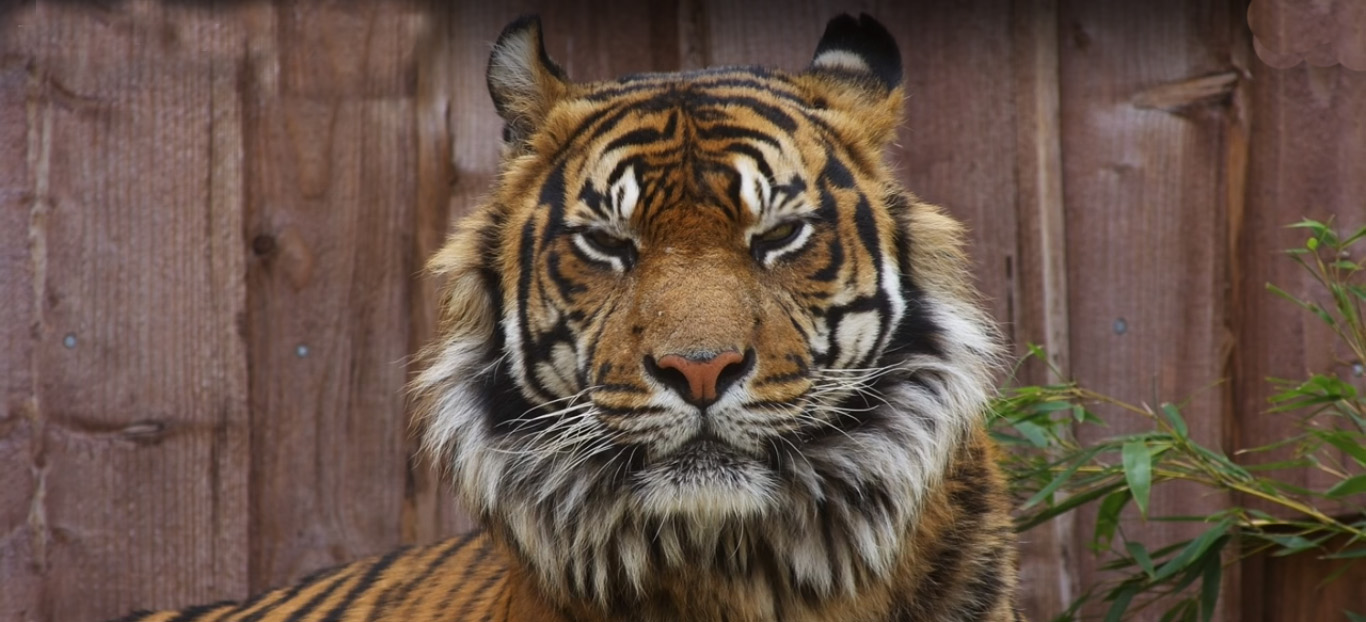
    Emotional Brain ? The Limbic Brain Mammals like the tiger have brains that include a reptilian core plus an elaborate structure known as the limbic brain. This brain exists in all higher animals, including humans. It is the primary site of complex emotional and social behaviors. These behaviors do not replace instinctual impulses from the…

  • Instinctive-Brain?

    Instinctive-Brain ? The Reptilian Brain We have built in mechanisms for responding and moving toward a natural resolution of trauma. Some of these we share with animals; some are uniquely human, particularly our highly developed thought and language processes. Sensation is the language of the reptilian brain. Biologically and physiologically, the reptilian brain is essential…

  • 3 different brains?

    Three Different Brains? The human brain has 3 integral systems: reptilian (instincts), mammalian (emotions), and neo-cortex (left half is rational, right half is creative, intuitive). Shame is an emotion formulated by the mammalian brain. Justice is an idea formulated by the neo-cortex, but what about our instincts? If the instinctive urge to discharge intense survival…