Gluten and Casein-free diet
Gluten and Casein-free diet
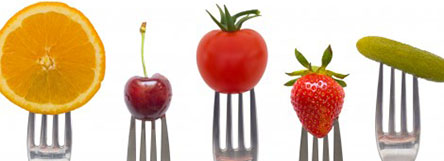
This diet reduces inflammatory processes and discomfort. It is based on alternatives from nature, like fruits, vegetables, unprocessed chemical-free protein, like free-ranging chicken & eggs, Norwegian-sea fish, nuts, seeds, and healthy fats.
Casein supplies amino acids, carbohydrates, and two essential elements, calcium and phosphorus. The calcium can be replaced by green vegetables including kale, spinach, broccoli, and self-made broth from fresh bones and a drop of vinegar to help leach the minerals from them.
For breakfast, combine a handful of almonds, and blueberries with a splash of coconut milk, or a bowl of fresh melons.
For dinner, serve fresh vegetables, healthy fats and filling protein, such as a chicken, and fish. Use ghee or olive oil for cooking casein-free meals.
For salads use avocado and tomatoes, plus a dressing mix of homemade mayonnaise with garlic, parsley and chives.
For snacks, have raw vegetables dipped in hummus or a homemade mayonnaise.
For baking, make your own muffins and granola bars. Replace butter with ghee or coconut oil and cow milk with coconut milk.
Grains such as wheat, rye, barley, oats and spelt should be replaced with millet, buckwheat (rhubarb family), quinoa, teff, sorghum, tapioca or bean flour, or amaranth. Spelt is high in glutens and carbs. Refined spelt can cause a big spike in blood sugar. It is unsuitable for people with celiac disease, gluten sensitivity or a wheat allergy.
Four gluten-free alternatives for baking are:
buckwheat, flaxseed, coconut flour, almond flour.
- Buckwheat is not related to wheat. It is high in B-vitamins, magnesium and antioxidants, and provides good amounts of fiber. Since it has a strong, distinctive flavor, use buckwheat in recipes where it will not overpower or clash with other ingredients. It is best used together with other gluten-free flours, such as rice flour, teff, and almond flour in pancakes, etc.
- Flaxseed is a great source of omega-3 fatty acids, and high in protein and soluble fiber, which helps manage your blood sugar levels and encourages the growth of friendly bacteria in your intestinal tract.
- Coconut flour provides a healthy add-on to sweet breads.
- Almond flour is ground almonds, very tasty as a base in sweet breads like banana, zucchini or pumpkin bread.
Chia Seed
The flavorless Chia seeds lend structure and texture to gluten free baking, plus they provide heart-healthy advantages in the form of omega-3 fatty acids, soluble fiber and antioxidants. Since chia seeds also contain phytates, compounds that bind to minerals and prevent them from being absorbed, use chia seeds in moderation or consume extra minerals.
Alternatives to Grains and Nuts
To avoid gluten, plus all grains and nuts, use other ingredients for making breads: Egg bread has just eggs and spinach as its base. Although different in texture and consistency, it can be sliced into the thickness and shape suitable for a sandwich.
Amaranth
Amaranth is small, like poppy seeds, and is excellent for thickening stews and soups, as is sorghum or teff. You can also use it as a snack by popping the seeds.
Quinoa
Quinoa looks similar to couscous but is a little bit larger and can be used as a substitute for rice in rice pudding, as a breakfast cereal, in a casserole or pilaf, or to stuff vegetables.
Omelets
A vegetable omelet, could be made with eggs, tomatoes, bell peppers, and spinach. A meat omelet can be made with eggs, turkey ham & bacon. Read the ingredient labels to ensure that gluten was not used as a filler.
Smoothies
Blend frozen fruit, fruit juice, and walnuts or avocado for a boost of protein. For a tropical blue smoothie, mix and blend banana, blueberries, walnuts, and pineapple juice until smooth and creamy. Pineapple juice can be substituted with coconut water, orange juice, or coconut milk.
Homemade Pancakes
Use almond milk, almond flour, plus fruit nectar. Freeze a few.
Homemade Scones
Scones for dipping into decaffinated coffee or tea. Use a mixture of sweet white sorghum and tapioca flour plus almond milk.

The 10 most popular brain damaging weapons used against the slave class are:
1) vaccines
2) coffee and caffeine products
3) alcohol
4) synthetic drugs
5) sugar
6) fluoride
7) cigarettes
8) processed junk foods and genetically modified foods
9) EMF radiation from wireless devices and
10) chemtrails.