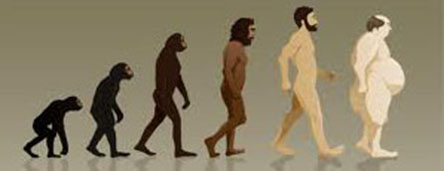
The Paleolithic Diet
Foods allowed on the Anti Candida
Paleolithic Diet

A paleolithic era includes people from the Middle Paleolithic period (300,000 to 45,000 years ago). Their diet included meats from freshly hunted or gathered animals, fruits, vegetables, nuts and seeds.
From an internal cleansing and higher natural and energetic perspective, all meats should be avoided, and raw edible plants should be the main focus for a healthy diet.
This diet avoids foods that became common when free roaming began to end more than 10.000 years ago, landownership & slavery were introduced, and farming emerged with dairy products, legumes, grains, etc.
If a food can be eaten in it’s raw and natural state and if it doesn’t have to be cooked to be eaten, then it is allowed. Processed foods of all kinds should be avoided.
Fruits and vegetables grown with the injection of chemicals are labeled with a code consisting of four digits. Organic fruits and veggies have a price tag with a code consisting of five digits, starting with the number 9. Genetically modified (GMO) foods have a code consisting of five digits starting with the number 8!
Foods should be eaten in their whole and natural state:
- Meats, such as chicken, turkey, beef, buffalo or bison, duck, pheasant, lamb, venison, etc. All meat should be unprocessed and organic. Wild game is preferred, as it resembles the food of our ancestors. Meats should be "free-range" + "grass fed", because these provide the proper fatty acid ratio and are free from hormones, antibiotics, GMO’s, and traumas.
- Fish. (should be not farmed, and almost mercury-free)
- Eggs. (should be cage-, hormone-, and GMO-free)
- Mold-free nuts only, preferably sprouted.
- Seeds of all kinds.
- Oils from allowed plants. If a food is on the allowed list, then you can consume it’s oil.
- Fresh fruits very low on the glycemic index, like berries.
- Small amounts of honey. Our ancestors ate honey when available, thus better to eat it infrequently.
- Raw (uncooked) potato starch with bifidus and/or acidophilus yogurt. This indigestible starch gives these good bacteria a "safe" ride through the stomach, so that they can then rapidly multiply in the intestines.
- All Non-Starchy, Low-carb Vegetables:
- kale
- garlic
- celery
- lettuce
- onions
- spinach
- cabbage
- zucchinis
- cauliflower
- cucumbers
- green beans
- green peppers
- any green leafy vegetable is low in carbohydrates
- avocados (blood sugar stabilizer, a good source of fat)

Foods to avoid on the Paleolithic Diet
- No sugar of any kind, including organic sugar, organic cane juice, evaporated cane juice, maple sugar, date sugar, high fructose corn and other syrups, etc.
- No barley malt, rice syrup, agave, fruit juice.
- No sugar substitutes and/or artificial sweeteners.
- No processed foods.
- No steroids and residual antibiotics.
- No fermented products that could carry molds.
- No canned, frozen, dried fruits or fruit juices.
- No caffeine.
- No alcohol.
- No additives, preservatives, nitrates, colors, flavorings.
- No yeast.
- No dairy, except probiotic yogurts.
- No corn, because it is a grain, not a vegetable.
- No legumes (beans, peanuts and peas).
- No peanuts, as they are a legume, not a nut.
- No peas, as they are a legume not a vegetable.
- No nuts, except almonds.
- No soy, it is a legume.
- No chemical pesticides, herbicides, etc. All foods should be organic, as our ancestor’s had no chemicals.
- No grains at all, both whole (wheat, oats, corn, rye, barley, rice) or alternative (quinoa and millet) grains.
- No chocolate, as it was not in our ancestor’s diet. Chocolate is also a mind-altering and addictive drug that has many detrimental effects on mind & body.
- No starchy or sweet vegetables, except non-digestible starch such as raw (uncooked) potato starch, which is food for the good bacteria in the intestines. Digestible starch is converted into sugar, which is food for fungi.

To be consumed in moderation on occasion
- Potatoes (poisonous if eaten raw). One medium potato equals ½ cup of sugar, thus better not to eat it often.
- Salt.
- Sweet potatoes, yam or beets.
- Vinegar (Balsamic or apple cider vinegar should replace grain based vinegar).
- Digital appetites.
- Sugar alcohol, an organic compound, that is neither an alcohol nor a sugar. They are low-sweet, white, water-soluble solids that occur naturally and are thus often mixed with hi-sweeteners like stevia.
Overconsumption causes bloating, diarrhea, and gas, because they are not metabolized by oral bacteria (no tooth decay), nor by the small intestine, causing no change in blood glucose levels.
About half of the meal (6 – 8 ounces) should consist of meat protein, so as to maintain proper blood sugar levels, and half should be low-starch vegetables, with a small amount of nuts, seeds, fruits, and healthy oils.

Reasons why weight loss happens on this diet:
- Eating less than you are used to.
- Eliminating sugar and refined foods. These products upset the body‘s hormones, endocrine system and metabolism, which often results in weight gain. When they are removed, the body will re-adjust itself.
- Carbohydrates, even complex ones, are converted into sugars. When intake is reduced, metabolism improves.
- Many eliminated foods are common allergens. Since food sensitivities and allergies are often at the root of weight gain, the weight comes now off.
- Reduced food intake. These foods are normally broken down into sugar or stored as fat. Not enough insulin or sugar intake leads to burning stored fat for energy. This occurs overnight, during dieting or fasting.
- Intermittent Fasting: During ≈16 hrs/day fasting periods, insulin levels are low, but glucagon and epinephrine levels are relatively normal. This combination causes fat to be released from the fat cells. The fats travel through the blood circulation to reach the liver where they are processed into ketone units. The ketone units then circulate back into the blood stream and are picked up by the muscle and other tissues to fuel your body’s metabolism. Ketone production is the body’s normal adaptation to starvation. Blood sugar levels never get too high, because the production is regulated by correct balancing of the insulin, glucagon and other hormones.
- Ketone diet mistakes:

