Winter Palace Park
Winter Palace Park
Winter Palace Park
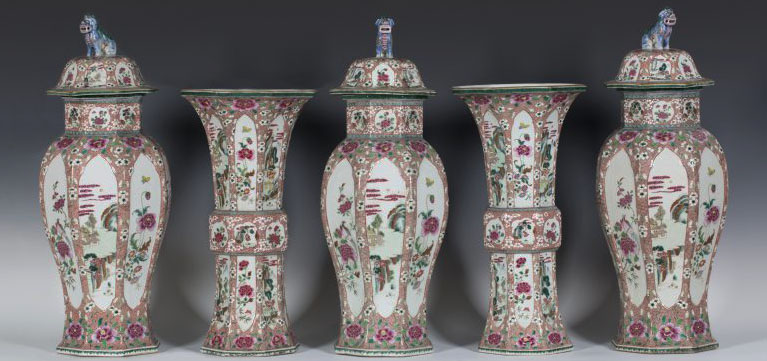
Qianlong Emperor Patronage of the Arts The world of the Qianlong Emperor Draped in Dragons The dragon was considered the king of animals in Chinese culture and the symbol was often incorporated into lavish costumes brocaded and embroidered with silk and gold-metallic yarns. The jifu, or dragon robe as it became known in the West,…
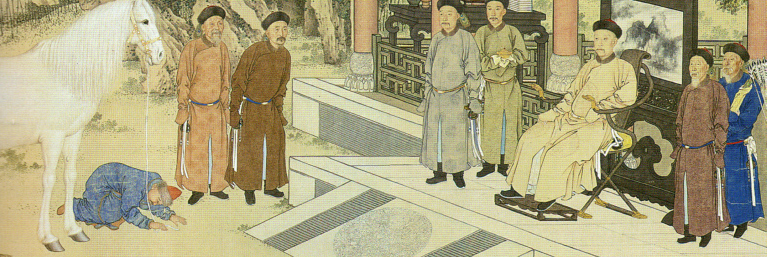
The Qianlong Emperor as a "Universal Ruler" Qianlong with Mongol leaders at banquet at Chengde Mntn Qianlong was the first Manchu ruler to feel completely at ease with both his Manchu and his Chinese identities, and also conceive of himself as a "universal ruler." He deliberately represented himself differently to each of the various constituents…
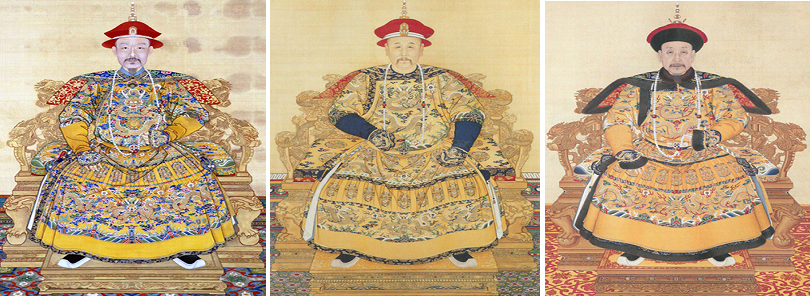
THE 3 GREAT QING EMPERORS The Qing emperors (1644 to 1911) formed the last of the successive dynasties of China. As “alien” rulers, the Manchus inherited and adopted the cultural norms and political institutions of the previous Han Chinese Ming dynasty (1368 to 1644), at the same time maintaining their own Northeast Asian military organization,…
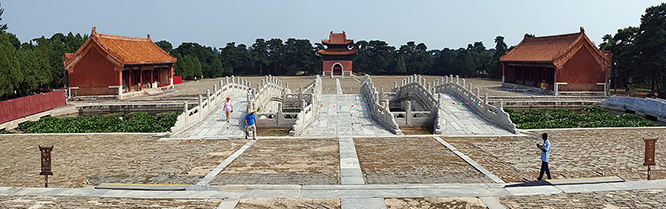
The Eastern Tombs of the Qing Dynasty (1644-1911) These tombs are the largest, most complete, and the best preserved mausoleum complex in China, 125 km from Beijing, finally completed in 2008. Five emperors, 15 empresses, 136 imperial consorts and concubines, 3 princes, and 2 princesses are buried here in 15 Mausoleums. The complex stretches over…
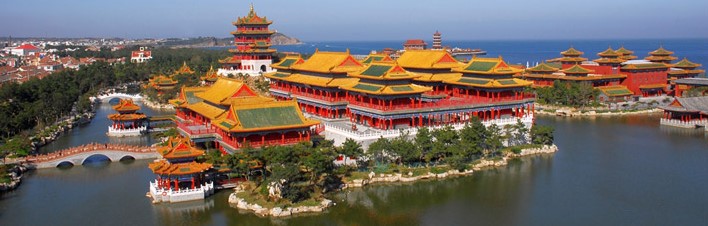
Summer Palaces Qingyiyuan, Gardens of Clear Ripples, the Summer Palace with Kunming lake Around 1749, the Qianlong Emperor decided to build a summer palace in the vicinity of Jar Hill to celebrate the 60th birthday of his mother, Empress Dowager Chongqing. Longevity Hill is about 60 m-high and has many buildings positioned in sequence. The…
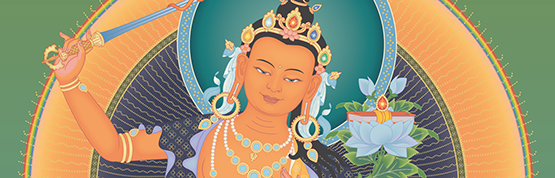
Qianlong as Mañjuśrī Nurhaci, a military leader of the Jurchens of Northeast China and founder of what became the Qing dynasty, named his tribe after Mañjuśrī as the Manchus. This painting is arranged with Qianlong at the center of a cosmogram, a symbolic universe. The background shows clouds and the 5-peaked sacred Wutaishan mountain. He…
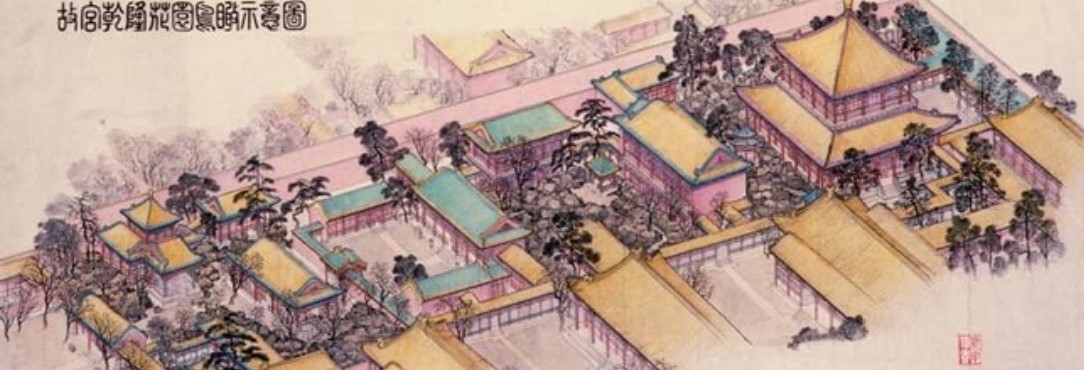
Palace of Tranquility and Longevity The Qianlong gardens 9 Dragons wall (96’x12′) Qianlong Garden (1772) The Palace of Tranquil Longevity (Chin: 寧壽宮),literally, "peaceful old age palace," also called the Qianlong Gardens, Qianlong Palace, Qianlong District or the Palace of Tranquility and Longevity, is located in the NE corner of the Inner Court of the Forbidden…
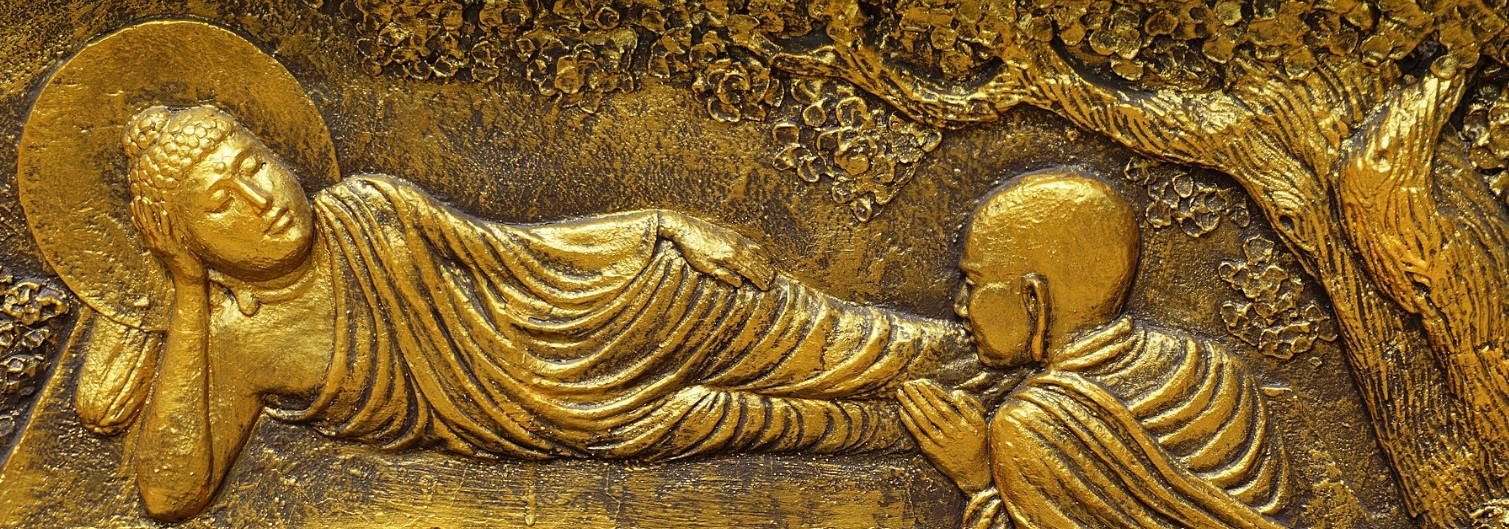
Arhats or Luohans The 18 Arhats (or Luohans in China:十八羅漢) are depicted in Mahayana Buddhism as the first followers of the Buddha: Kek Lok Tong Temple, Ipoh, Malaysia They followed the Noble 8-fold Path and attained the 4 stages of enlightenment. They have reached the state of Nirvana and are free of worldly cravings. …
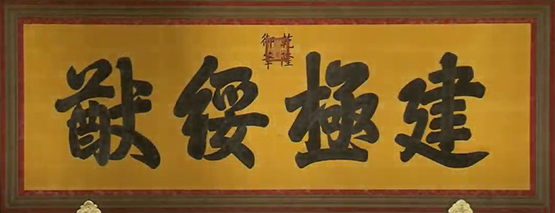
Hall of Supreme Harmony Hall of Supreme Harmony or "Hall of Gold Throne" is the heart of the immense Forbidden City palace complex. It is the grandest and the most important building in the nation. There is also a large square for the officials to offer respects to the emperor in front of the hall,…
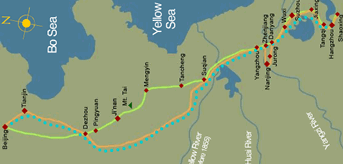
Imperial Inspection Tours and Military Campaigns Other emperors did a single inspection tour of the empire or made the epic journey to Mount Tai to worship Heaven, but the Qing emperors were the first and only ones to undertake multiple tours of inspection to all corners of their empire. These personal inspection tours were part…
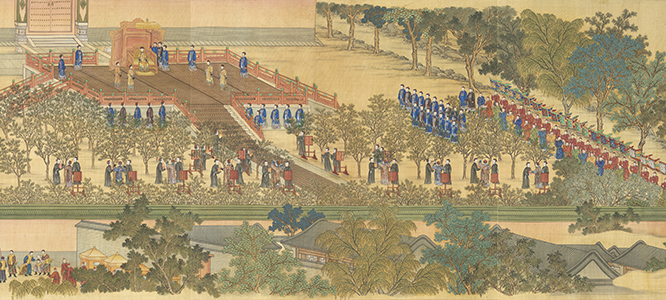
Rites of Sericulture Empress Xiaoxianchun became the first empress in the Qing Dynasty to perform the rite of Sericulture, the making of silk, with the emperor’s consorts. The entire ceremony was painted on scrolls of about 0.5 x 6m each, in 1751, in memory of the empress, by Giuseppe Castiglione, (19/7/1688 – 17/7/1766). He was…